Song Stories: Stereophonics: Dakota
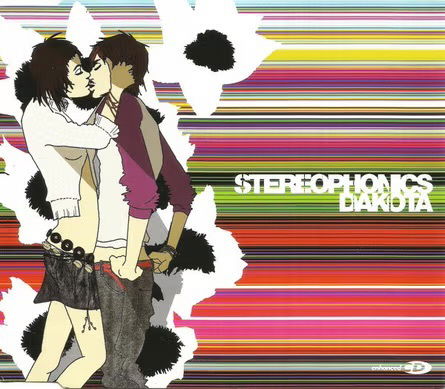
'Dakota' wasn’t just a hit; it was a reinvention. Released in February 2005 as the lead single from their fifth studio album, 'Language. Sex. Violence. Other?', it remains the band's only UK Number One single and their most enduring anthem.
Origins and Evolution
The journey began in January 2004. While touring in support of their fourth album, 'You Gotta Go There to Come Back', frontman and chief songwriter Kelly Jones felt a creative shift. He wanted to move away from the soulful, atmospheric, and sometimes heavy sound of their previous work toward something more driving and urgent.
After sketching out the initial idea, Jones was so confident that he took the rare step of texting the head of their record label, V2, claiming he had written "something big."
From Vermillion to 'Dakota'
The song’s lyrical polish happened while the band was travelling through the United States. Jones finished the lyrics in Vermillion, South Dakota. Originally, the track was titled 'Vermillion' after the location. However, the heavy metal band Slipknot had just released a single titled 'Vermillion' from their album 'Vol. 3: (The Subliminal Verses)'. To avoid confusion, Jones pivoted, and 'Dakota' was born.
A Sonic Shift
The track marked a significant departure for the band. After the departure of original drummer Stuart Cable, the band (now featuring Javier Weyler) embraced a "New Wave" influence.
- The Signature Hook: The song is driven by a pulsating synthesiser line and a repetitive, upbeat guitar riff.
- The Production: Producer Jim Lowe helped the band achieve a cleaner, more mechanical "looping" feel that felt modern compared with the raw blues-rock of their earlier years.
- Vocal Delivery: Kelly Jones also changed his vocal approach for this track. Moving away from his signature gravelly rasp used on songs like 'Local Boy in the Photograph', he adopted a smoother, more melodic delivery on 'Dakota' to match the driving, hypnotic pace of the music. This helped the song appeal to a much broader audience, including the growing indie-disco scene of the mid-2000s.
Critical Reception and Chart Success
Critics hailed the song as a "second coming" for the band. While Stereophonics had been staples of the late 90s Britpop tail-end, 'Dakota' proved they could evolve beyond their "meat and potatoes" rock reputation.
A Digital Pioneer: The song made history by topping the UK Singles Chart and the UK Official Download Chart simultaneously. This was a massive milestone at the time, as the download chart had only been launched months prior. 'Dakota' became the first song ever to hold both top spots in the same week, signalling the band's relevance in the new digital era.
The "Number One" Milestone: Despite having massive hits like 'The Bartender and the Thief' and 'Have a Nice Day', 'Dakota' remains the band's only track to reach the coveted Number One spot. It spent an impressive 44 weeks in the Top 75, showing incredible "legs" for a rock single.
A Bittersweet Peak: Interestingly, while the song cemented their status as permanent arena-fillers and festival headliners, it also marked a shift in the UK music landscape. It remains their final UK Top 10 hit to date, serving as a triumphant "last hurrah" in terms of pure singles-chart dominance, even as their albums continued to debut at Number One.
Famous Fans and Friendly Ribbing
The song even caught the ear of Britpop royalty. Kelly Jones later recounted a message he received from Noel Gallagher after the song hit Number One:
“Eh, so you’ve had your first number one. But you used a fucking synthesiser.”
Typical of Gallagher’s dry wit, the comment highlighted just how much of a departure the song's electronic textures were for a "guitar band."
The Ultimate Finale
Over two decades later, 'Dakota' holds a sacred spot in the band's setlist. It has closed every single Stereophonics show since its release. Whether it's an intimate academy or a massive festival field like T in the Park or V Festival, the opening notes of that synth riff signal the climax of the night. It is, quite simply, the final card in a deck of great songs that always brings the house down.
Thank you for reading